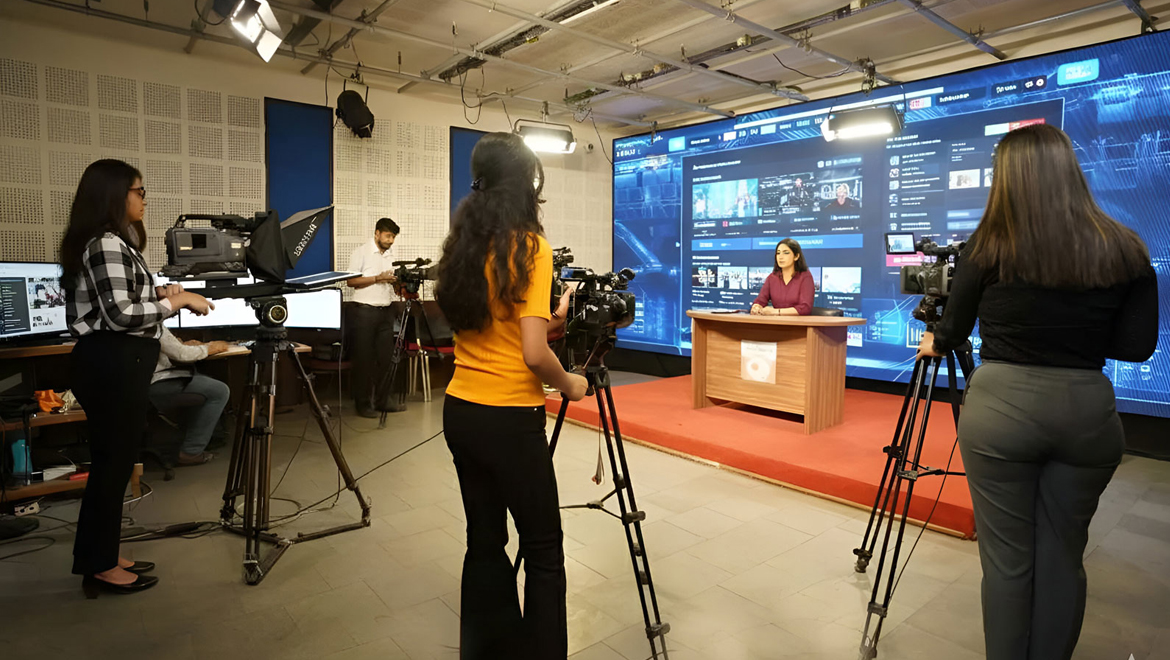
In the span of just a few decades, television has evolved from a basic analog medium confined to scheduled programming into a dynamic, digital, interactive experience that reaches viewers https://klasko.ru/ anytime and anywhere. Today, television is no longer just a box in the living room it has become an ecosystem powered by digital capabilities that integrate content creation, distribution, and consumption in https://oyo4d7.com/ ways once unimaginable. As the Indian Broadcasting & Digital Foundation (IBDF) continues to champion and represent the interests of both traditional broadcasters and digital media platforms, this evolution stands testament to the seismic shifts reshaping the broadcasting and media landscape.
From Black-and-White Boxes to Digital Screens
Television’s early years were marked by simple technology and limited reach. In its infancy, television was an experimental device offering grainy black-and-white images and scheduled broadcasts that could only be accessed through bulky cathode-ray tube sets. These early days marked the beginning of an incredible technology journey – one that would gradually transform how audiences consume stories, news, sports, and educational content. The transition from analog to digital was one of the most significant milestones in this journey. Known globally as the digital television transition, this process involved replacing analog signals with digital transmission, resulting in superior picture quality, more efficient use of spectrum, and the foundation for rich, interactive experiences. Digital broadcasting enabled broadcasters to offer multiple channels, clearer audio-visual quality, and advanced services that were previously impossible under analog systems.Digital Broadcasting and OTT Integration
With the rise of the internet and high-speed connectivity, television has moved beyond traditional airwaves. Over-the-top (OTT) platforms have emerged as powerful complementary systems to broadcast networks, offering on-demand content that viewers can access across devices — from smart TVs to smartphones and tablets. This convergence of broadcast and OTT has blurred the lines between scheduled programming and personalized streaming, creating a hybrid ecosystem where content flows seamlessly in multiple directions. The IBDF’s expanded roleuniting broadcasters and digital media platforms under one umbrella reflects this broad industry transformation. Formerly focused solely on television broadcasters, the organization now encompasses digital platforms and OTT services, demonstrating how content delivery has transcended traditional boundaries.Connected TV: Bridging Traditional and Digital Worlds
One of the most exciting developments in modern television is Connected TV (CTV) a digital-enabled form of television that merges the broad reach of traditional TV screens with the interactivity and targeting precision of digital media. In 2025, media analysts observed that connected TV became a key advertising and content delivery strategy, offering advertisers new levels of measurement, targeting, and audience engagement while retaining the immersive experience of large screens. Connected TV exemplifies how digital capabilities are enhancing traditional television rather than replacing it. Through CTV, broadcasters and OTT platforms can leverage data-driven insights to tailor content, deliver relevant ads, and create interactive viewer experiences. This transformation reinforces television’s role as the centerpiece of Indian media consumption, even as viewing habits evolve.Content Innovation in the Digital Age
As technology evolves, so does content. Today’s viewers expect high-quality video, personalized recommendations, and seamless playback across devices. The broadcaster’s challenge has shifted from simply transmitting signals to creating compelling stories optimized for digital consumption. Artificial intelligence, machine learning, and cloud-based workflows are now integral to content creation, from script generation and editing to metadata tagging and automated localization for multilingual audiences. In addition, digital platforms have empowered users with choice and flexibility. Viewers are no longer bound by programming schedules; they can watch what they want, when they want, and how they want. In this environment, broadcasters must innovate continuously to stay relevant. The IBDF, as a representative industry body, plays a key role in shaping policies that encourage innovation while ensuring fair, transparent, and creative growth for all stakeholders.Setting Policy and Guiding Self-Regulation
Alongside technological change, regulatory frameworks have also adapted to the new media realities. The IBDF has been pivotal in advocating for policies that recognize the convergence between traditional broadcasting and digital services, ensuring regulatory clarity for broadcasters and OTT platforms alike. Through initiatives such as self-regulation guidelines and industry consultative efforts, the Foundation supports content quality, viewer protection, and industry integrity in an increasingly complex media environment. The creation of subsidiary bodies and self-regulatory councils further strengthens the industry’s ability to navigate digital challenges while maintaining ethical standards and fostering creative freedom.The Future of Television: Beyond Screens
Looking forward, television’s evolution is far from complete. Emerging technologies such as cloud-based streaming, immersive experiences (including augmented and virtual reality), and advanced broadcasting standards like ATSC 3.0 promise even richer, more interactive experiences. These innovations will redefine not only what we watch but also how we engage with content and each other, breaking geographical barriers and elevating storytelling to new dimensions. In a world where consumers are increasingly empowered and digitally connected, the role of organizations like the IBDF becomes even more critical. By representing broadcasters and digital players, advocating for coherent policies, and fostering industry collaboration, IBDF stands at the forefront of television’s evolution, championing innovation that benefits creators, platforms, advertisers, and, most importantly, audiences. From the early days of simplicity to the digitally empowered era of connectivity and choice, television’s path has been defined by relentless innovation. Digital capabilities have not only enhanced traditional broadcasting they have transformed the medium into a multidimensional platform capable of engaging audiences across screens, languages, and cultures. As we stand at the confluence of broadcast and digital, IBDF remains committed to guiding this journey with strategic vision, industry unity, and policy leadership, ensuring that television continues to thrive as a powerful force in India’s media and entertainment landscape.Related posts:
- Avinash Pandey Appointed as Secretary General of Indian Broadcasting and Digital Foundation
- IBDF & IDMIF pitches Budget 2026 tax reset; seeks 5% GST on TV, OTT subscriptions
- Ahead of Budget 2026, M&E industry flags GST, TDS, ITC roadblocks; seeks structural tax reforms
- AI must expand creativity while preserving trust and value for creators, says IB Additional Secretary Prabhat